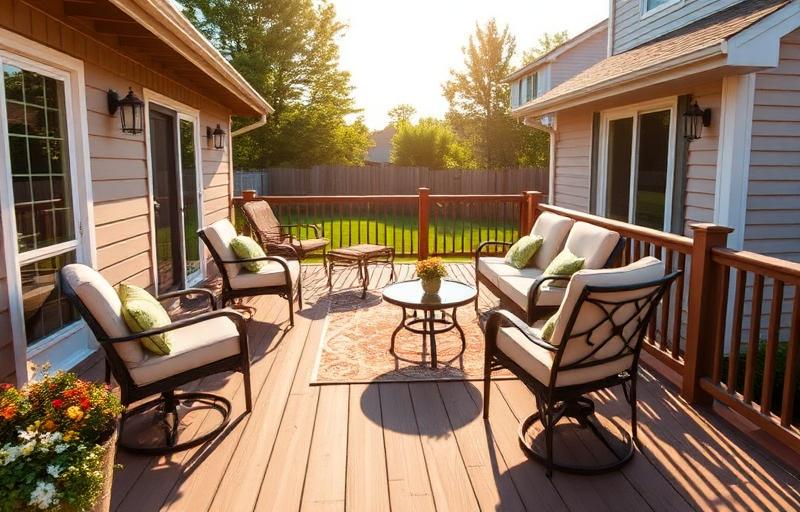
Delaware homeowners face a unique set of weather challenges when choosing decking materials. From humid summers and freezing winters to the occasional nor'easter, your deck needs to handle it all. Here's a comprehensive guide to help you make the best choice.
Understanding Delaware's Climate Impact on Decking
The Mid-Atlantic region experiences all four seasons with intensity. Summer temperatures regularly exceed 90°F with high humidity, while winter brings freezing temperatures, ice, and snow. Coastal areas near the Delaware Bay and River add salt air and moisture to the equation.
These conditions mean your decking material must resist:
- Moisture absorption and rot from humidity and precipitation
- Freeze-thaw damage from temperature cycling
- UV degradation from intense summer sun
- Mold and mildew from persistent dampness
Composite Decking: The Top Choice for Delaware
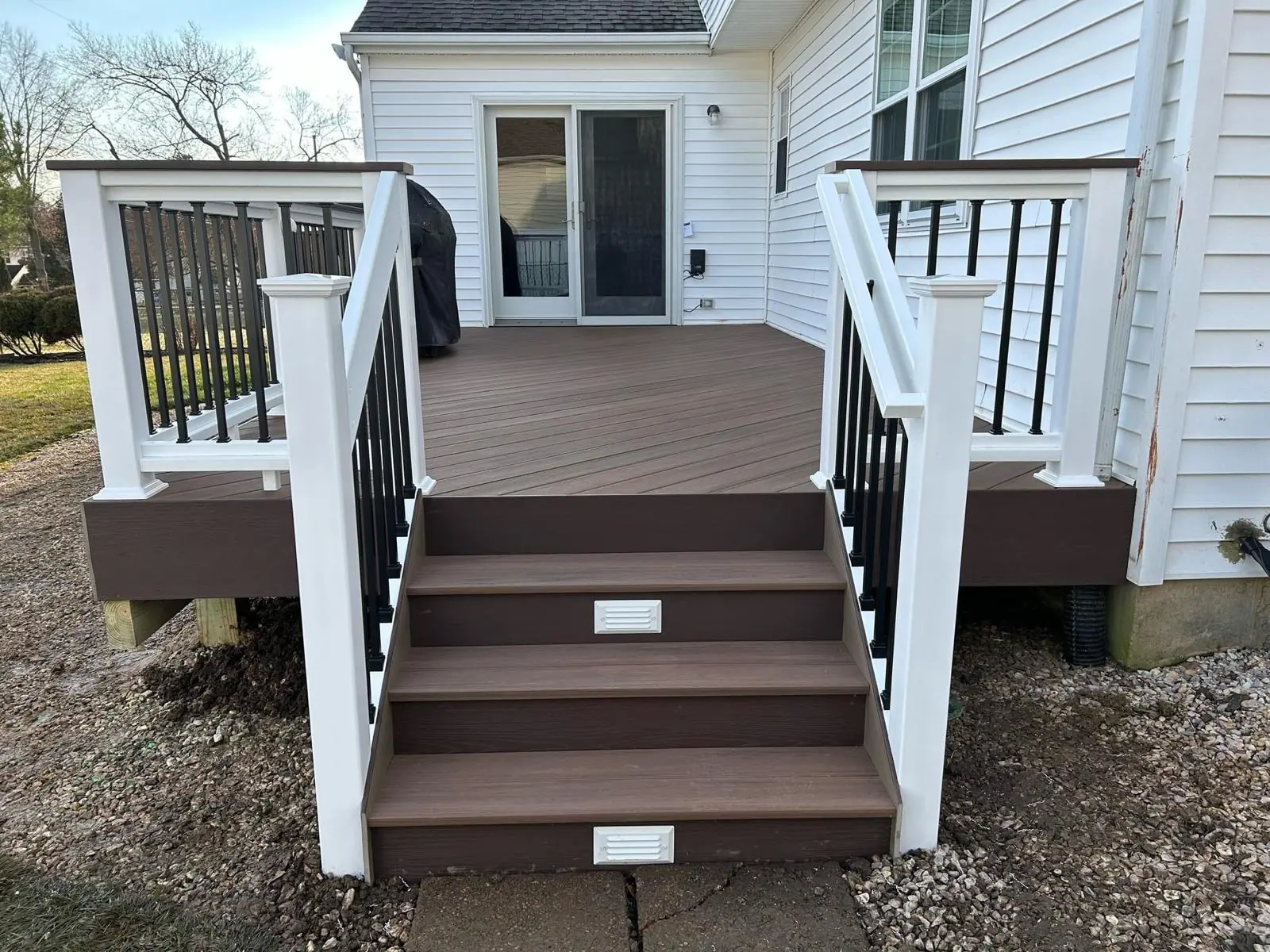
Composite decking has become the most popular choice among Delaware homeowners, and for good reason. Brands like Trex and TimberTech offer capped composite boards that resist moisture, fading, and staining.
Pros:
- Virtually maintenance-free — no staining, sealing, or sanding
- Excellent resistance to moisture, rot, and insects
- Won't crack or splinter from freeze-thaw cycles
- 25-50 year warranties depending on the product line
- Available in a wide range of colors and wood-grain textures
Cons:
- Higher upfront cost than pressure-treated lumber
- Can retain heat in direct sunlight (choose lighter colors for sun-exposed decks)
- Some lower-end products may fade over time
Best For: Delaware homeowners who want a long-lasting, low-maintenance deck. Contact ProDecks for a free composite deck estimate.
Pressure-Treated Lumber: The Budget-Friendly Classic
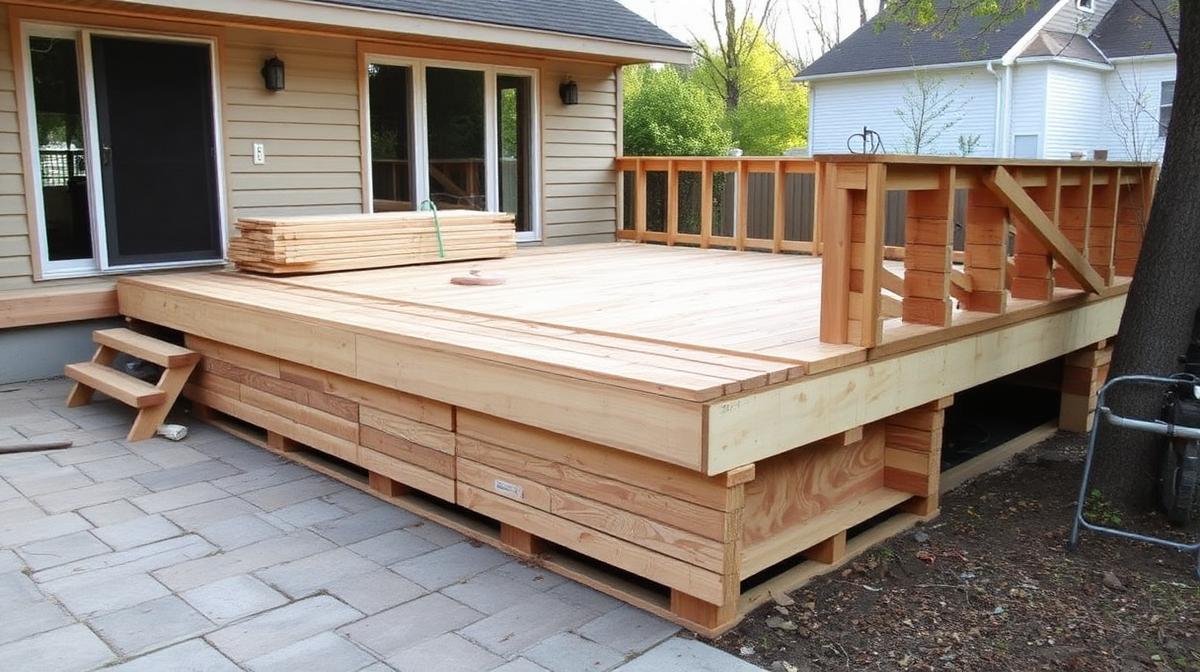
Pressure-treated pine remains the most affordable decking option and is widely available throughout New Castle County and the Tri-State area.
Pros:
- Lowest upfront cost
- Widely available at local lumber yards
- Can be stained or painted any color
- Treated to resist rot and insects
Cons:
- Requires annual maintenance (staining/sealing)
- Prone to warping, cracking, and splintering over time
- Shorter lifespan (10-15 years without diligent maintenance)
- Chemical treatments are a concern for some homeowners
Best For: Budget-conscious homeowners willing to invest time in annual maintenance.
Cedar and Redwood: Natural Beauty
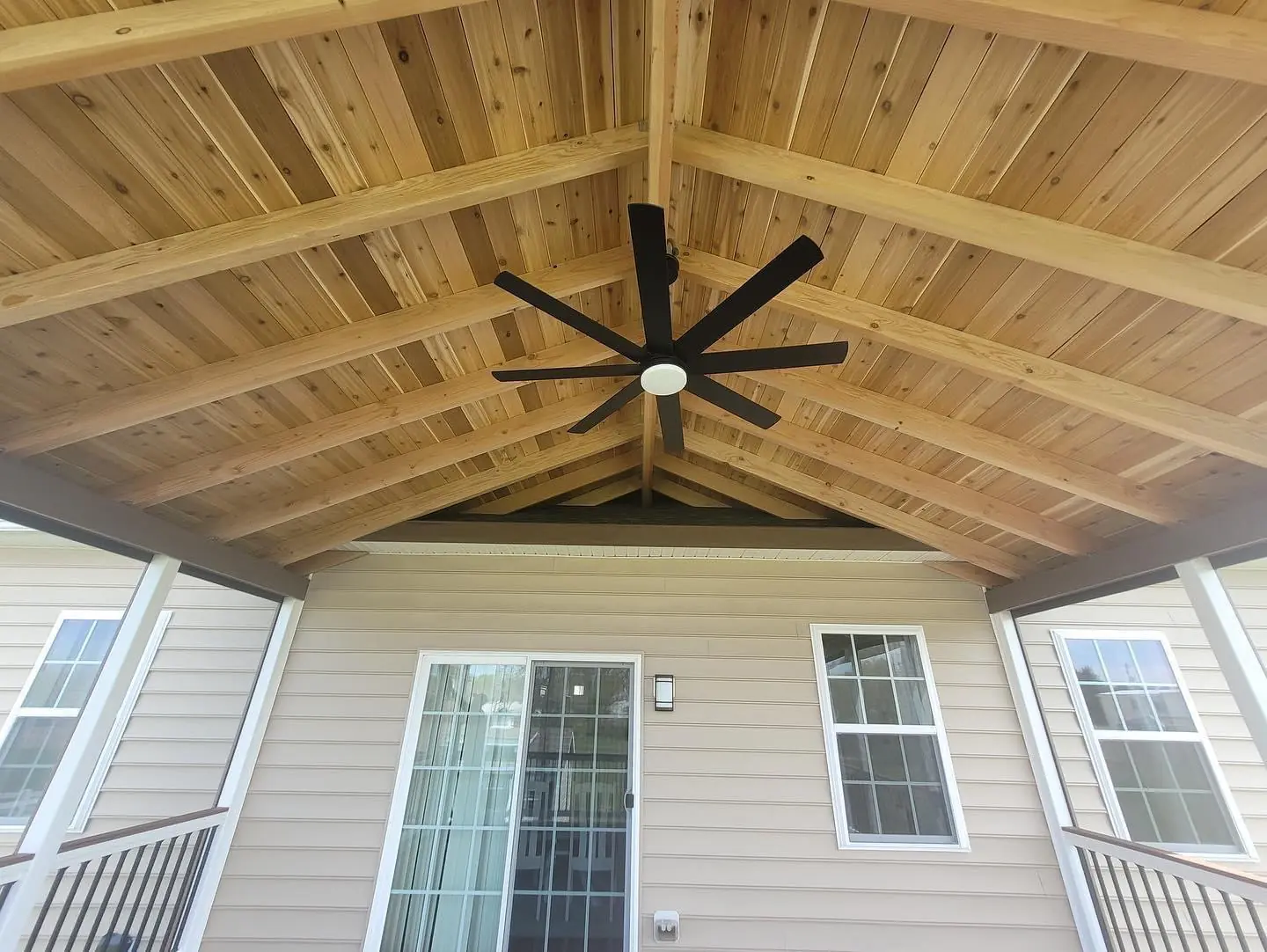
Natural hardwoods offer unmatched beauty but come with specific considerations for Delaware's climate.
Pros:
- Beautiful natural grain and color
- Naturally resistant to rot and insects
- Lightweight and easy to work with
- No chemical treatments needed
Cons:
- Expensive — especially redwood, which must be shipped from the West Coast
- Requires regular sealing and maintenance
- Will gray over time if not maintained
- Softer than composite — more prone to scratching
Best For: Homeowners who love natural wood aesthetics and don't mind regular upkeep.
PVC Decking: Maximum Moisture Resistance
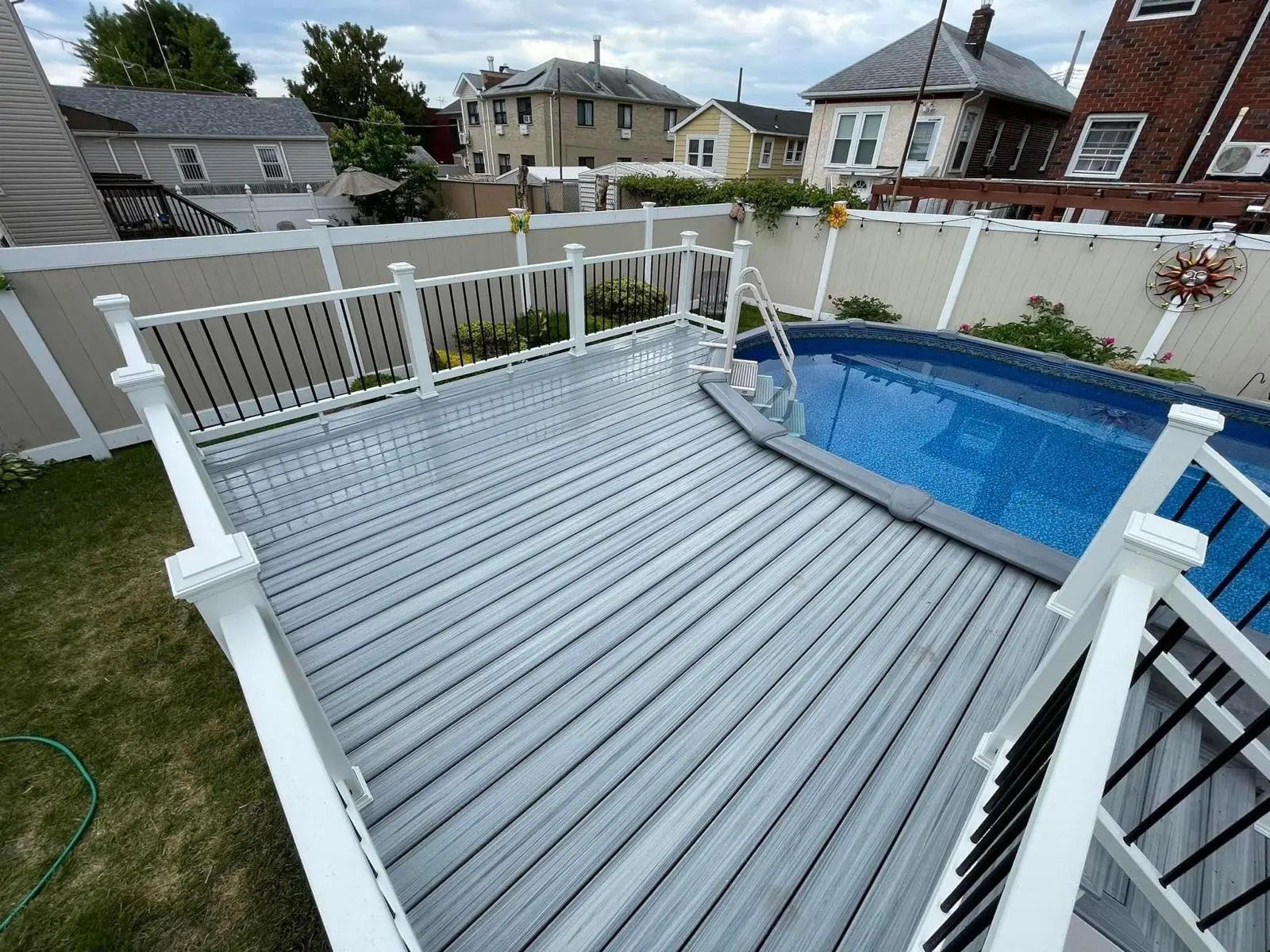
PVC (polyvinyl chloride) decking is 100% synthetic and offers the ultimate moisture resistance — ideal for waterfront properties along the Delaware River.
Pros:
- Completely waterproof — won't absorb any moisture
- Won't rot, warp, or support mold growth
- Extremely low maintenance
- Lightweight
Cons:
- Most expensive option
- Can look and feel less natural than composite
- Expands and contracts more with temperature changes
- Limited color options compared to composite
Best For: Waterfront properties, pool decks, and areas with extreme moisture exposure.
Our Recommendation for Delaware Homeowners
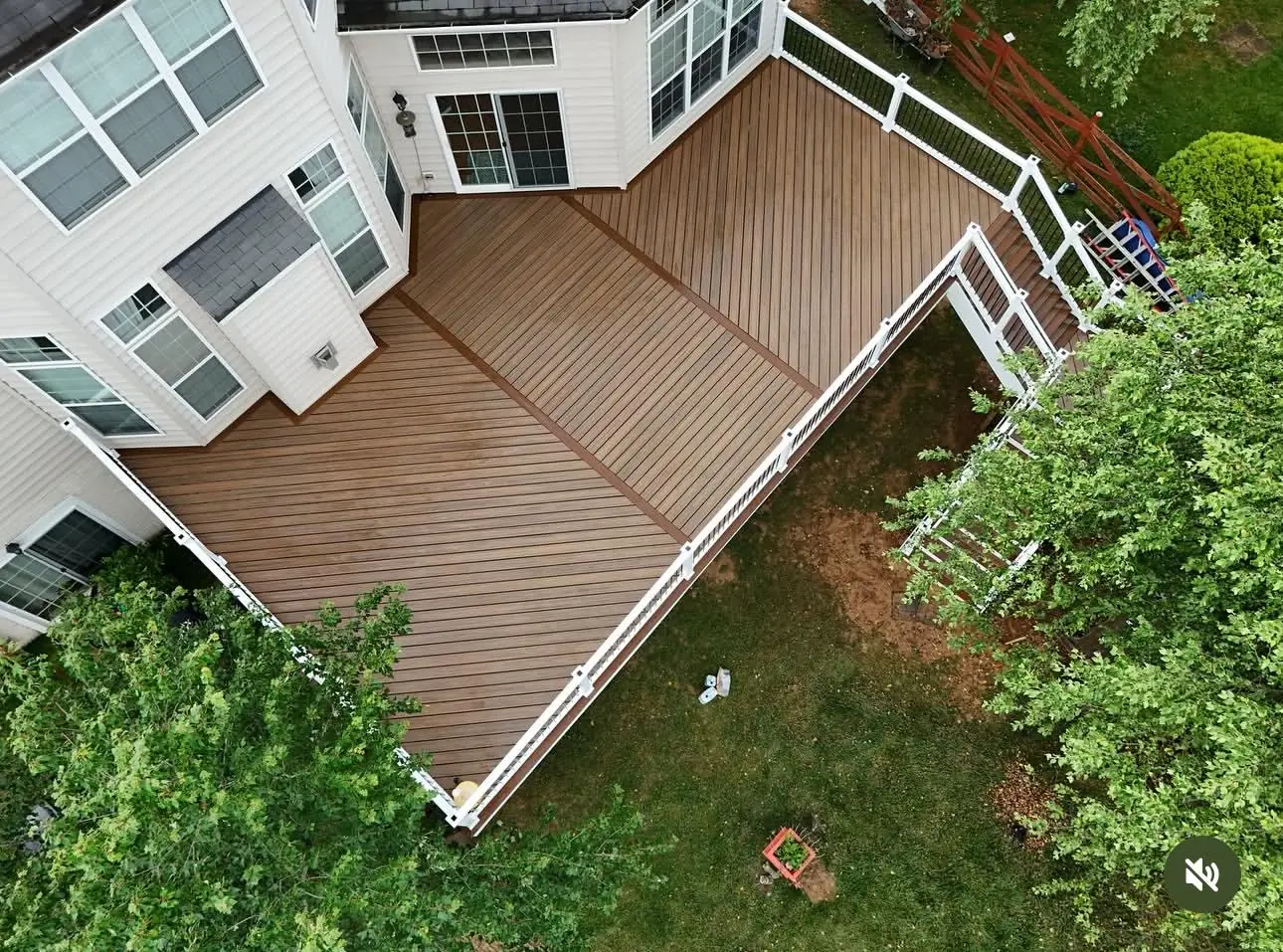
For most Delaware homeowners, we recommend mid-to-high-end composite decking from Trex or TimberTech. These products offer the best balance of durability, aesthetics, and long-term value in our climate.
Ready to explore your options? Get a free estimate from ProDecks Delaware, or call us at (302) 358-8493 to discuss your project.